

A clear first visit is more useful than expecting the housekeeper to infer every preference. Walk through the highest-priority work, safe product use, access, and end-of-visit procedures, then allow enough time for the person to do the agreed job.
Confirm the day’s priorities
Review the room-by-room scope and choose what must be completed on the first visit. Initial cleaning may take longer than maintenance, so distinguish “every visit,” “rotate,” and “if time permits.”
Do not add a hidden list after arrival. If the home’s condition or requested work differs from the agreement, pause to revise the time and price.
Tour access and security
Show the approved entrance, parking, elevator or concierge procedure, locks, alarm, keys, and where the worker may store belongings. Provide only the access needed. Explain what to do if a door is already unlocked, an alarm fails, or an unknown person arrives.
Disclose cameras and private areas. Avoid giving permanent codes until the access plan is settled; use individual codes that can be changed where possible.
Match products to surfaces
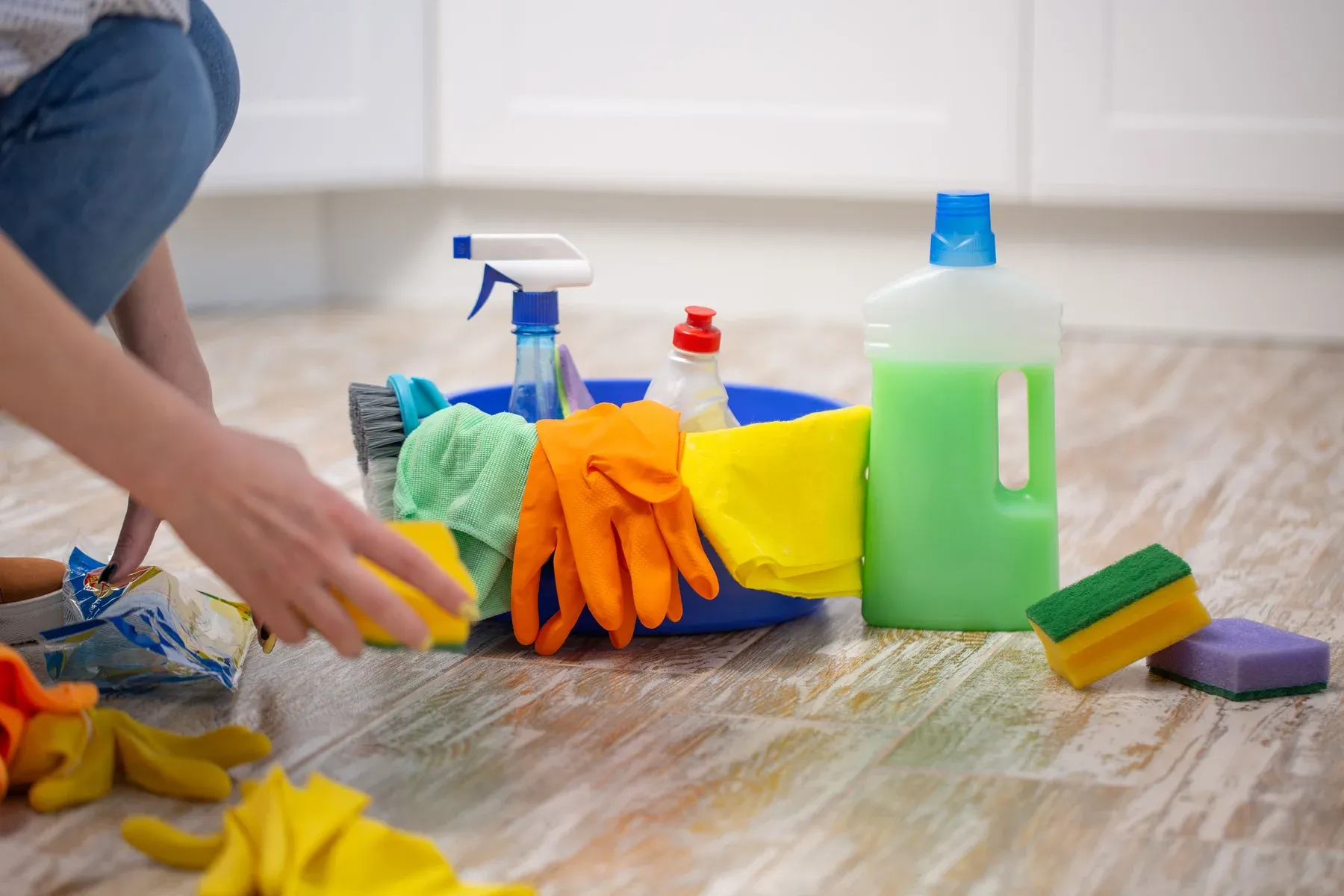
Identify natural stone, hardwood, specialty tile, stainless steel, antiques, electronics, and other delicate finishes. Show manufacturer instructions or the approved product. Label all containers and never ask the worker to mix chemicals.
Confirm who replaces supplies and how low stock is reported.
Explain household and pet routines
Discuss children, older adults, work-from-home areas, quiet periods, pet gates, feeding restrictions, escape risks, and rooms that should stay closed. The housekeeper should not be expected to supervise children, provide personal care, or manage animals unless those duties are explicitly part of the role.
Review laundry, waste, and found items
Show sorting, temperature, drying restrictions, items that never enter a machine, garbage and recycling rules, and where to place found valuables or documents. Provide a procedure for broken glass, sharp objects, medication, or other potentially hazardous waste.
Ordinary household cleaning does not automatically include biohazards, pest waste, mould remediation, or construction debris.
Set communication rules
Name one household contact. Explain how to report lateness, inability to attend, extra time needed, damage, a spill, a safety concern, or a supply problem. Encourage prompt reporting; hiding an accident usually causes more harm than the original mistake.
Finish and secure the home
Agree on an end-of-visit checklist:
- appliances and taps checked;
- windows and doors secured;
- alarm set if required;
- keys returned or stored correctly;
- waste handled;
- unusual findings reported;
- extra time and supplies recorded.
Review after the first visits
Give specific, respectful feedback tied to the written scope. Ask whether the allotted time, tools, and priorities are workable. Adjust the agreement rather than relying on repeated verbal additions.
A strong orientation creates a repeatable system: the household knows what will be done, and the housekeeper knows how to work safely without guessing about access, products, or private spaces.